
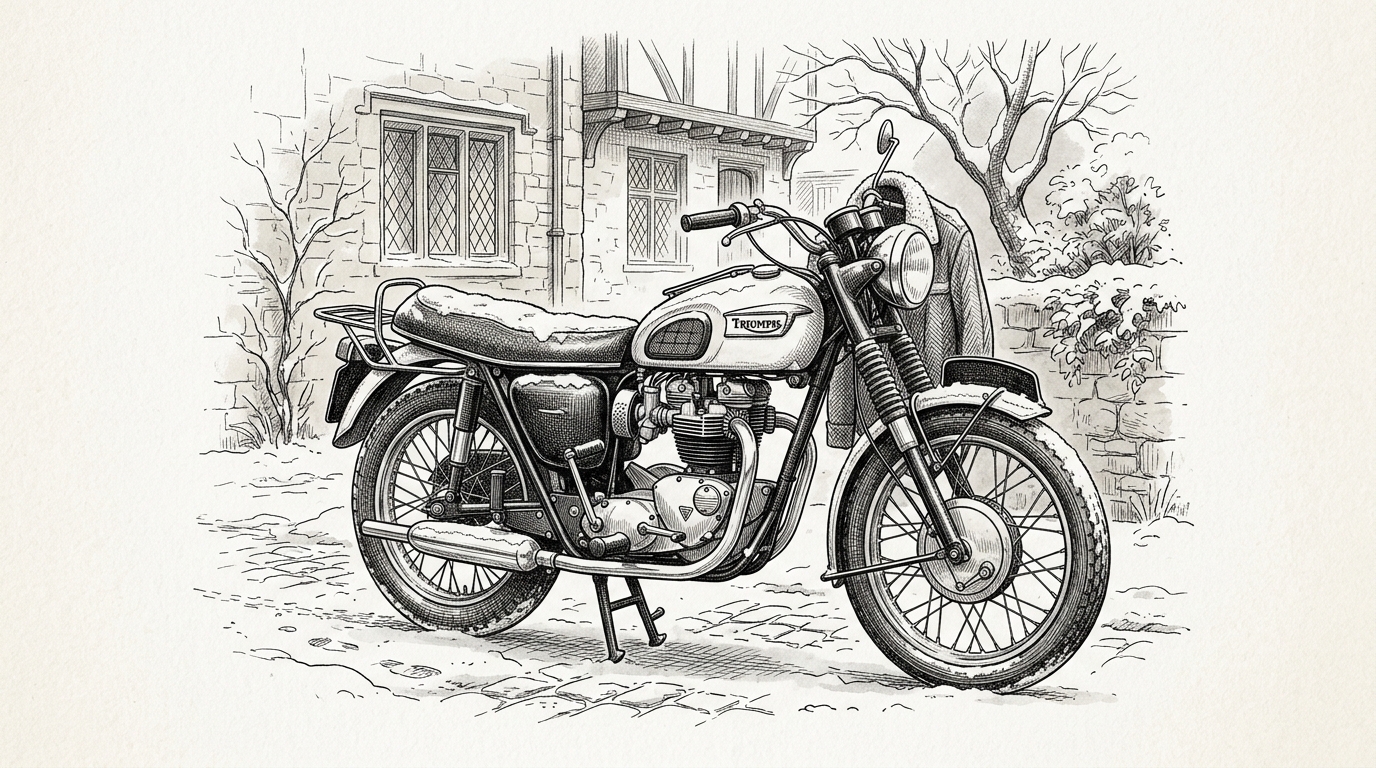
Putting a motorcycle into hibernation for five or six months is never the highlight of a Canadian riding season, but doing it right saves you hours of frustration come April. When ambient garage temperatures sit below -20°C across Ontario, Quebec, and the Prairies, moisture, cold, and stagnant fluids will take their toll on unattended machinery. Life is too short to spend your first rideable spring weekend diagnosing dead batteries or gummed-up fuel systems. Here is a practical, step-by-step checklist—complete with the essential storage gear, stands, and fluids—to tuck your bike away properly so it’s ready to fire the second the road salt washes away.
1. Fuel System: Stabilization and Moisture Control
Modern pump fuel in Canada contains up to 10% or 15% ethanol (E10/E15). When left sitting across long winter months in an unheated space, ethanol draws moisture out of humid air, eventually leading to phase separation. Once water settles to the bottom of the fuel tank, it accelerates internal corrosion and leaves behind sticky varnish in fuel injectors and carburetor circuits.
- Stabilize before your final ride: Add a dedicated fuel stabilizer—such as Sta-Bil storage formula or Sea Foam motor treatment—at the gas station immediately before your final ride home. That 10-minute trip ensures stabilized fuel circulates thoroughly through your fuel pump, filters, and injectors.
- Top off the tank to 95%: Fill your tank up to about 95% capacity—leaving a small 2 cm expansion cushion for temperature swings—to eliminate the air space where condensation forms on tank walls.
- Drain older carburetors: If you ride a vintage or carbureted motorcycle, shut off the petcock and drain the float bowls via the drain screws to prevent lacquer from clogging idle jets.

2. Battery Care: Defeating the Sub-Zero Freeze
Extreme cold accelerates battery discharge. While a fully charged 12V AGM or lead-acid battery easily tolerates -40°C, a neglected, discharged battery’s electrolyte can freeze at just -7°C. Frozen electrolyte expands, cracking the battery casing and permanently ruining the internal lead plates.
- Connect an intelligent maintainer: If your storage space has reliable power, hook up a dedicated Battery Tender or compact Battery Tender Junior, or a multi-bank NOCO smart battery maintainer. Canadian retailers like FortNine and Royal Distributing, as well as Amazon.ca, carry dependable tenders with quick-disconnect harnesses you can leave hooked up all season long.
- Store indoors if unheated: If your motorcycle is parked in an unheated shed or detached garage without power, disconnect the negative terminal first, remove the battery, and store it on a wooden shelf in an insulated basement, topping it up once a month with a battery tender.
- Lithium-ion caution: Never use a standard de-sulfating lead-acid charger on a lithium (LiFePO4) battery, and never attempt to charge lithium cells when ambient temperatures drop below 0°C.

3. Fresh Engine Oil and Filter
It is a common misconception that you should wait until spring to change your oil. Over thousands of kilometres of riding, engine oil collects combustion byproducts, moisture, and mild acids. Leaving that used oil stagnant in the crankcase over a long winter allows contaminants to sit against polished bearings and internal gears.
Change your oil and filter right before putting the bike away, then run the engine for two minutes. This coats all internal surfaces with clean oil and fresh corrosion inhibitors before hibernation.
4. Coolant and Freeze Protection
If your motorcycle is liquid-cooled, verify your coolant’s freeze rating before the first deep freeze. Water expands roughly 9% when it freezes, which can easily crack cylinder castings, split radiator seams, or push out freeze plugs. If you ran straight distilled water or a light track-day mix over the summer, flush the system with an ethylene glycol blend rated to at least -35°C to -40°C.
5. Tires, Suspension, and Motorcycle Stands
Leaving a motorcycle parked on cold concrete for months can cause flat-spotting and draw essential plasticizer oils out of the tire compound. Getting the rubber off the ground is the best investment you can make for your suspension and tires:
- Street and sport bikes: Use a combination of a front fork stand and a rear swingarm stand. Lifting both wheels completely off the ground unloads the fork springs and monoshock while completely eliminating tire flat spots. For heavier machines, driving into an upright wheel chock stabilizes the front wheel securely while you place rear stands. Quality paddock stands also make chain maintenance and wheel cleaning effortless.
- Dual-sport and off-road bikes: If you ride a dual-sport or trail machine, a foot-activated off-road lift stand or sturdy dirt bike stand slides right under the skid plate to balance the chassis and suspend both wheels in the air.
- Insulate from bare concrete: If stands aren’t an option, inflate your tires to their maximum sidewall cold pressure rating (typically 38 to 42 psi) and roll the contact patches onto pieces of plywood, carpet scraps, or dense rubber stall mats.
- Clean suspension stanchions: Wipe fork stanchions and rear shock shafts clean, and apply a light mist of silicone spray or machine oil to protect the chrome surfaces from moisture pitting.
6. Drive Chain and Corrosion Defense: The Purple ACF Magic
Clean your drive chain thoroughly with dedicated chain cleaner and a three-sided grunge brush, then apply a generous coat of quality synthetic chain wax while the chain is still warm. Next, protect all bare metal surfaces from ambient garage moisture and winter condensation.
For corrosion protection, Canadian riders swear by ACF-50—that distinct purple aviation-grade anti-corrosion formula. Unlike WD-40, which evaporates quickly, ACF-50 leaves an active, ultra-thin fluid film that creeps into electrical connectors, switchgear, spoke nipples, and fastener threads, neutralizing salt and moisture for up to 12 months. Spray a light mist over exposed engine cases, frame welds, and fasteners, or wipe it on with a microfiber rag. Spray a specialized corrosion inhibitor across vulnerable chassis hardware, taking strict care to keep any overspray well away from your brake rotors and pads.

7. Rodent Prevention
In late autumn, mice look for warm, sheltered spots to nest, and airboxes and exhaust pipes are frequent targets. Modern soy-based wiring insulation can also attract chewing rodents.
- Plug openings: Shove a clean piece of stainless steel wool or a rubber exhaust wash plug into your exhaust outlet, and cover the airbox intake snorkel with a rag or mesh.
- Visual reminder: Tie a bright ribbon to your handlebar grip as a reminder to remove exhaust plugs and airbox covers before your spring start-up.
8. Dual-Sport & Trail Bikes
If you’ve been riding trail or enduro bikes with an OFTR permit, thoroughly wash off dried mud and clay before winter storage. Mud traps moisture against aluminum swingarms, spokes, and brake calipers, promoting corrosion. Check chain tension, clean the air filter, and store your registration and trail passes where you can find them in the spring.
9. Breathable Motorcycle Covers
Avoid wrapping your bike in non-breathable plastic tarps, which trap rising ground moisture and cause condensation during mid-winter freeze-thaw cycles. Invest in a dedicated, fitted motorcycle cover or breathable cover from FortNine or Royal Distributing that keeps dust and garage debris off while allowing air circulation.
10. Ready for Spring
A thorough afternoon of winterization turns your first ride of the spring into a turn-key experience instead of a weekend of troubleshooting. Once your bike is safely tucked away, take some time to plan your routes for next season—spring always arrives sooner than it feels.
Affiliate Disclosure: As an Amazon Associate and Canadian powersports affiliate partner, motorcyclenews.ca earns a commission on qualifying purchases made through Canadian retail links on this page.